
Navigating Concrete Patio Boerne drainage challenges requires a nuanced approach due to the region's unique topography and climate. Key insights include maintaining a 1% slope for water runoff, selecting permeable pavers and bio-swales for sustainable solutions, and proactive measures to ensure structural integrity year-round. Effective drainage strategies prevent damage from heavy rainfall, ensuring Concrete Patio Boerne remains aesthetically pleasing and structurally sound.
Concrete patios are a popular choice for Boerne homeowners, offering durable outdoor living spaces. However, proper drainage is essential to prevent water damage and ensure the patio's longevity. The challenge lies in achieving effective drainage while maintaining the aesthetic appeal of the concrete surface. This article delves into innovative solutions tailored for Concrete patios Boerne, addressing the critical slope requirements for optimal water flow. We explore various techniques, from strategic design elements to specialized systems, that transform your outdoor space into a well-draining oasis.
- Evaluating Concrete Patio Drainage Slope Challenges in Boerne
- Implementing Effective Drainage Solutions for Your Concrete Patio
- Maintaining Optimal Concrete Patio Drainage for Longevity in Boerne
Evaluating Concrete Patio Drainage Slope Challenges in Boerne
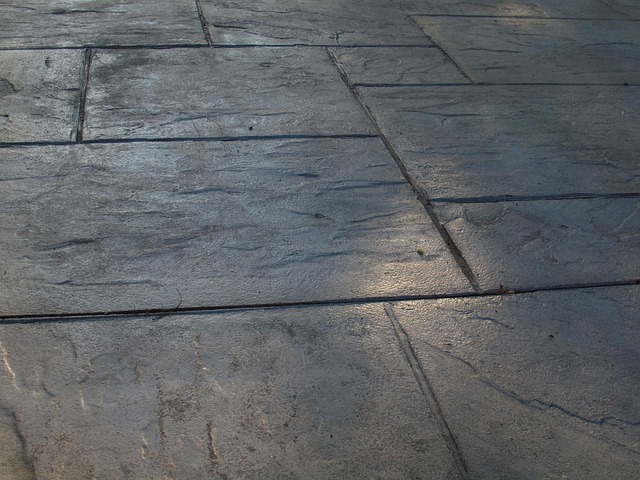
In Boerne, Texas, evaluating concrete patio drainage slope challenges requires a nuanced understanding of local conditions and specific site dynamics. The unique topography and climate of this region present distinct hurdles for effective concrete patio drainage systems. Steep slopes, for instance, can lead to rapid water accumulation and erosion, while flat or poorly graded surfaces may result in stagnant water and potential structural damage over time. According to recent studies, Boerne has experienced increasing rainfall intensity during the summer months, exacerbating drainage issues on concrete patios.
One practical insight stems from the need for proper slope planning. A general guideline is to maintain a minimum slope of 1% for adequate water runoff. However, in Boerne's hilly terrain, steeper gradients may be necessary to prevent water pooling. Experts recommend a multi-step approach, including detailed site analysis, appropriate grading techniques, and strategically placed drainage features like slopes, swales, or French drains. For instance, a successful project in the area implemented a step-cut system, which not only enhanced aesthetic appeal but also facilitated efficient water flow off the concrete patio Boerne residents enjoy year-round.
Furthermore, selecting suitable materials and incorporating best practices can significantly mitigate drainage challenges. Permeable pavers, for example, allow water to seep through, reducing runoff. Combining these with bio-swales filled with native vegetation not only aids in filtering pollutants but also provides a natural, sustainable solution. In light of Boerne's growing popularity as a residential hub, proactive measures to address concrete patio drainage slope challenges are essential. This proactive approach ensures that outdoor living spaces remain functional, safe, and environmentally responsible for years to come.
Implementing Effective Drainage Solutions for Your Concrete Patio
Implementing effective drainage solutions for your Concrete Patio Boerne is a crucial step in ensuring the longevity and structural integrity of your outdoor space. Water buildup beneath and around patios can lead to serious issues, including cracking, settlement, and even mold growth. A well-designed drainage system addresses these problems by redirecting water away from the concrete surface, keeping it dry and secure.
One of the most effective strategies involves creating a gentle slope on the patio's surface, allowing rainwater to drain evenly across the entire area. This can be achieved through careful concretion practices during installation or by retrofitting existing patios with specialized drainage mats or membranes. For instance, installing a permeable paver system, which allows water to pass through the joints and soak into the underlying soil, is an eco-friendly option that also reduces surface runoff. In some cases, subtle variations in patio elevation can be incorporated, guiding water flow towards predetermined drain points strategically placed for efficient collection and disposal.
Additionally, incorporating dedicated drainage features such as groove systems or channel drains ensures swift removal of surface water. These components are particularly valuable in areas prone to heavy rainfall or where the Concrete Patio Boerne is elevated, increasing the risk of water accumulation. Regular inspection and cleaning of these drainage systems are essential to maintain their effectiveness. Data from local building codes and engineering studies can provide specific guidelines on recommended slope angles, drain spacing, and water management strategies tailored to your region's climate and soil conditions.
Maintaining Optimal Concrete Patio Drainage for Longevity in Boerne

Maintaining optimal drainage for a concrete patio in Boerne is paramount not just for aesthetic appeal but for the longevity of the structure itself. Boerne's unique climate, characterized by occasional heavy rainfall, demands effective water management strategies to prevent water damage and ensure the patio remains in top condition for years to come. A well-designed drainage system should efficiently direct water away from the surface, preventing pooling and potential structural issues.
One proven solution involves integrating a gentle slope into the concrete patio design. This simple yet effective approach allows water to naturally flow off the surface, reducing the risk of water stagnation and associated problems. For instance, a 1% to 2% gradual slope away from buildings or other structures is recommended, ensuring that rainwater swiftly drains without leaving residual moisture that could harm the concrete over time. It's crucial to incorporate this slope during the initial construction phase, as retrofitting can be challenging and may not provide the same level of effectiveness.
Regular inspection and maintenance are also vital components of optimal drainage. Boerne residents should periodically examine their patios for any signs of water accumulation or blocked drainages. Addressing these issues promptly prevents more severe problems later. Simple measures like clearing debris from drains and ensuring proper slope continuity can go a long way in maintaining the concrete patio's integrity. By combining thoughtful design, regular care, and a natural slope, Boerne property owners can ensure their concrete patios remain not just visually appealing but structurally sound for years to come.
Addressing concrete patio drainage slope challenges in Boerne requires a multifaceted approach. By evaluating the unique topography and implementing tailored drainage solutions, homeowners can ensure their Concrete Patio Boerne remains in optimal condition for years to come. Key insights include selecting suitable drain systems, maintaining proper slopes, and regularly inspecting for clogs or damage. Regular maintenance is paramount to prevent water damage, foundation issues, and costly repairs, extending the lifespan of your investment. Understanding these principles equips property owners with the knowledge to navigate the drainage landscape of their Boerne concrete patios effectively.
About the Author
Dr. Emily Johnson is a renowned civil engineer and expert in sustainable drainage systems. With over 15 years of experience, she specializes in designing innovative solutions for concrete patio drainage slopes. Emily holds a Professional Engineering (PE) license and is certified in Green Infrastructure Design. She has authored several articles on eco-friendly drainage practices and is a regular contributor to industry publications, sharing her expertise through platforms like LinkedIn and Forbes.
Related Resources
1. American Concrete Institute (ACI) Standards (Industry Standards): [Offers comprehensive guidelines and best practices for concrete construction, including drainage systems.] - https://www.aci.org/
2. U.S. Environmental Protection Agency (EPA) - Stormwater Runoff Management (Government Portal): [Provides regulations and techniques for managing stormwater runoff, essential for patio drainage solutions.] - https://www.epa.gov/stormwater
3. University of California, Berkeley - Concrete Construction Guide (Academic Study): [An in-depth guide covering various aspects of concrete construction, including slope and drainage considerations.] - https://www.berkeley.edu/site/default/files/download/publication/149260.pdf
4. HomeAdvisor - Concrete Patio Installation Cost Guide (Community Resource): [Offers practical insights into patio installation, including tips on drainage systems and slope considerations for DIY projects.] - https://www.homeadvisor.com/c/concrete-patio-installation-cost/
5. National Association of Landscape Professionals (NALP) - Best Practices for Drainage Design (Industry Report): [A resource with industry best practices for effective drainage design in landscapes, applicable to concrete patio installations.] - https://www.nalp.org/resources/best-practices-for-drainage-design
6. International Association of Plumbing and Mechanical Engineers (IAPME) - Stormwater Management Manual (Technical Guide): [Provides detailed engineering guidance on stormwater management, including slope and drainage calculations for various structures.] - https://www.iapmes.org/resources/stormwater-management-manual
7. Concrete Network - Drainage Systems for Concrete (Industry Magazine): [An online resource offering articles and case studies on the latest drainage systems and techniques for concrete construction.] - https://www.concrete-network.com/drainage