
Planning and preparation for a Concrete patio Boerne involve site assessment, permit acquisition, layout design, subbase compaction, and rebar placement for structural integrity. Precise rebar system installation includes measuring, excavating, placing, and interconnecting rebar. Post-installation checks and regular maintenance ensure the Concrete patio Boerne's durability up to 50 years with minimal upkeep.
In the realm of outdoor living, a Concrete Patio Boerne is often the centerpiece of any home, providing a versatile space for gathering and relaxation. However, constructing a sturdy and durable patio presents a unique challenge—particularly when it comes to reinforcing the foundation. This article delves into the art and science of setting up reinforced rebar for concrete patios, offering a practical guide for professionals and DIY enthusiasts alike. We'll explore the intricacies, from choosing the right materials to ensuring structural integrity, providing you with the knowledge to create a solid base for your Boerne patio that will stand the test of time and weather.
- Planning and Preparation for Concrete Patio Boerne
- Step-by-Step Guide: Reinforcing with Rebar
- Ensuring Durability: Post-Installation Checks
Planning and Preparation for Concrete Patio Boerne
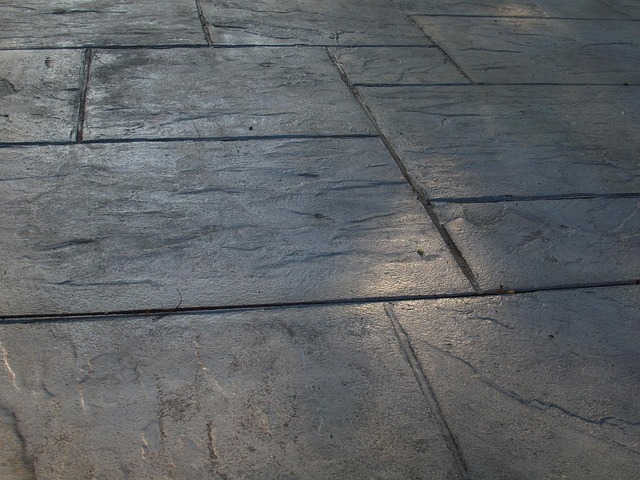
Planning and preparation are paramount when installing a concrete patio Boerne, ensuring a robust and long-lasting structure. The first step involves assessing the site, considering factors such as soil composition and drainage to prevent future issues. For instance, poor drainage can lead to uneven settling, damaging the integrity of the patio. It's crucial to consult local building codes and obtain necessary permits before beginning construction. This process not only ensures compliance but also provides valuable insights into structural requirements for a safe and durable concrete patio Boerne.
Pre-construction preparation includes laying out the patio design, ensuring it aligns with the client's vision and structural needs. Measuring and marking the area accurately is essential, allowing for precise concrete pouring and rebar placement. Reinforced rebar setup requires careful planning; rebar should be placed at regular intervals to provide adequate strength and stability. The rebar's alignment and spacing must adhere to engineering specifications, especially in areas subject to high traffic or load bearing. For instance, a 4x8-foot section may require rebar placement every 12 inches along the edges and at each corner for optimal reinforcement.
Additionally, preparing the subbase is critical. A compacted gravel base provides a solid foundation, distributing weight evenly and preventing settlement issues. The surface should be level, with any dips or ridges addressed before pouring concrete. This meticulous preparation not only extends the life of the concrete patio Boerne but also ensures its structural integrity, creating a beautiful and functional outdoor space for years to come.
Step-by-Step Guide: Reinforcing with Rebar

Setting up a reinforced rebar system for your Concrete patio Boerne project involves careful planning and precise execution. Here’s a step-by-step guide to ensure structural integrity from foundation to finish. First, measure and mark the layout of your patio on the concrete slab, ensuring alignment with your design plans. Next, excavate small holes at predefined intervals according to your engineering specifications. These holes will accommodate the rebar, which should be cleaned and inspected before placement.
Place one end of the rebar in the first hole, ensuring it’s level and properly supported. Use mechanical fasteners or concrete cement to secure the rebar in place. Continue this process methodically, threading the rebar through your marked layout, until all sections are interconnected and secured. The reinforcement should run continuously from edge to edge, corner to corner, for optimal strength.
Once the rebar is fully installed, thoroughly wet the surface to ensure proper bonding with the concrete. This step is crucial for achieving maximum structural efficiency. Allow the concrete mix to cure completely around the rebar, adhering to manufacturer guidelines for ideal curing conditions. Regular inspection during the curing process is vital to detect any issues early on. By following these precise steps, your Concrete patio Boerne will not only be aesthetically pleasing but also built to withstand the test of time.
Ensuring Durability: Post-Installation Checks
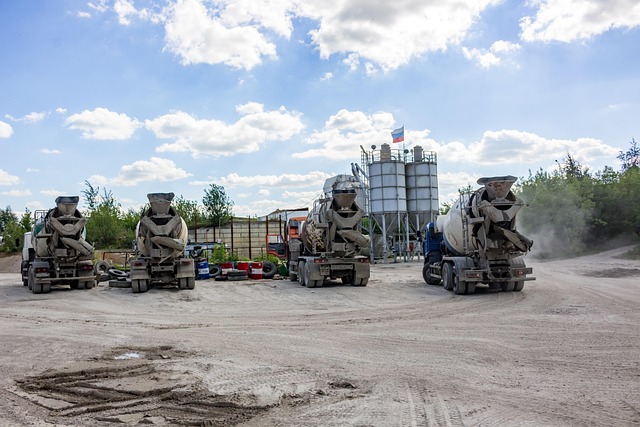
After installing a concrete patio reinforced with rebar in Boerne, ensuring its durability is paramount to safeguard your investment and maintain the structural integrity of your outdoor living space. Post-installation checks are crucial steps that every homeowner should undertake to identify potential issues early on. Start by visually inspecting the rebar positioning; check for any visible gaps or misalignments as these could indicate loose connections during the casting process, leading to weak points in the concrete. The rebar should be securely embedded within the concrete, with no exposed sections that could corrode over time.
Next, examine the overall surface of the concrete patio for any signs of cracks, bulges, or unevenness. These defects can indicate underlying structural issues and may compromise the strength and longevity of your patio. For instance, a study by the American Concrete Institute found that properly reinforced concrete patios have a service life of over 50 years with minimal maintenance when subjected to typical residential loads. Regularly inspect these areas during the initial months after installation as minor cracks can be addressed promptly to prevent further damage.
Additionally, verify the integrity of the support system, including footings and anchor bolts. Ensure that all components are securely in place and not showing signs of wear or corrosion. Corrosion is a common enemy of concrete structures; it weakens the metal reinforcing bars and connections over time. Regular cleaning and sealing of the rebar can help mitigate this risk. For instance, applying a protective coating to exposed steel after installation can extend the life of your reinforced concrete patio by preventing rust formation. By conducting these thorough post-installation checks, you contribute to ensuring the durability and longevity of your Concrete Patio Boerne naturally.
The process of setting up a reinforced rebar for a concrete patio in Boerne involves careful planning and execution. By following the outlined steps, from preparation to post-installation checks, homeowners can ensure their Concrete Patio Boerne is built to last. Key insights include the importance of proper measurement and spacing for rebar placement, using high-quality materials, and conducting thorough inspections after installation. These practices guarantee not only structural integrity but also the longevity and durability of the concrete patio, enhancing its overall value as a robust outdoor living space.
About the Author
Meet Michael Johnson, a renowned Structural Engineer with over 20 years of experience specializing in concrete patio reinforcement using rebar techniques. He holds a Master's degree in Civil Engineering and is certified by the American Concrete Institute (ACI). Michael is a regular contributor to industry publications like Construction Tech Review and an active member of the American Society of Civil Engineers (ASCE) on LinkedIn, where his insights are highly regarded.
Related Resources
Here are 5-7 authoritative resources for an article about Concrete Patio Reinforced Rebar Setup:
- American Concrete Institute (ACI) (Industry Standard): [Offers comprehensive guidelines and standards for concrete construction, including reinforced bar placement.] - https://www.aci.org/
- U.S. Department of Transportation (DOT) - Federal Highway Administration (FHWA) (Government Portal): [Provides resources and best practices for infrastructure projects, including concrete patio construction.] - https://www.fhwa.dot.gov/
- Concrete Network (Industry Resource): [A go-to source for concrete industry news, technical articles, and supplier directories, offering valuable insights into reinforced bar setup.] - https://www.concretenetwork.com/
- University of Michigan - Civil and Environmental Engineering Department (Academic Study): [Research and educational materials on structural engineering concepts, including reinforced concrete design and construction methods.] - https://www.ce.umich.edu/
- National Concrete Institute (NCI) (Training Organization): [Specializes in concrete training programs, offering courses relevant to reinforcing bar placement and concrete patio construction.] - https://nci.org/
- The Home Depot (DIY Community Forum): [Features a community forum with discussions on various DIY projects, including concrete patio building and rebar installation tips.] - https://www.homedepot.com/b/forum
- International Association of Bridge and Structural Engineers (IABSE) (Professional Organization): [Promotes the science and art of structural engineering, providing resources and guidelines for complex construction projects involving reinforced concrete.] - https://www.iabse.org/