
Preparing a Concrete patio Boerne surface involves removing debris, old sealants, smoothing, and leveling for successful expansion joint installation. Follow ACI standards for optimal curing and structural integrity. Proper joint selection based on climate, load, and aesthetics prevents cracks. Installation techniques vary; regular inspections ensure correct alignment. Maintenance includes periodic sealing and crack filling for up to 50% longer lifespan.
Concrete patio Boerne is a popular feature in many outdoor spaces, offering durability and versatility. However, over time, these patios can develop cracks and gaps, compromising aesthetics and structural integrity. This is where concrete patio expansion joint installation becomes crucial. By addressing these issues proactively, homeowners can preserve the beauty and longevity of their Concrete patio Boerne investments. This article delves into the intricacies of this process, providing expert insights on selecting the right materials, techniques, and best practices for a seamless and long-lasting solution.
- Preparing Your Concrete Patio Boerne Surface
- Choosing and Installing Expansion Joints
- Final Touches and Maintenance Tips
Preparing Your Concrete Patio Boerne Surface
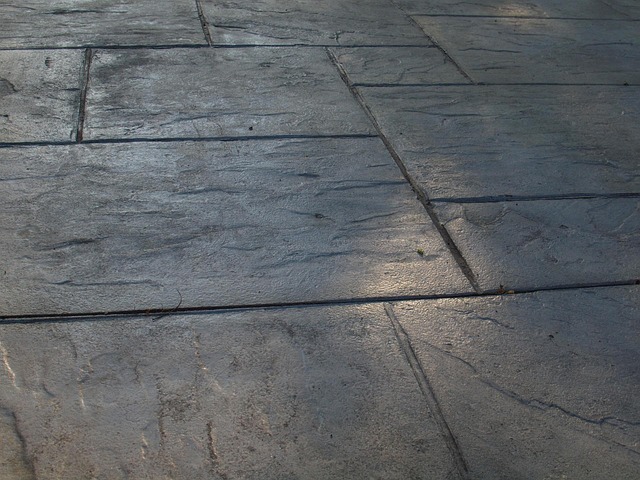
Preparing your Concrete Patio Boerne surface is a crucial step in ensuring a successful concrete patio expansion joint installation. The foundation of any outdoor living space begins with a solid, level base, especially when extending or repairing your Concrete Patio Boerne. Before introducing joints or any additional features, it’s imperative to assess and rectify any irregularities in the existing concrete. This process involves meticulous preparation, from removing loose debris and old sealants to smoothing and leveling the surface. Professionals often use tools like jackhammers, hand tools, and power washers to thoroughly clean and prepare the Concrete Patio Boerne, eliminating any imperfections that could compromise the joint’s integrity.
One of the key aspects of this preparation is achieving the correct moisture content in the concrete. Proper curing and moister control are essential for long-term strength and durability. In the Texas climate, with its varying temperatures and humidity levels, monitoring moisture is critical to prevent shrinkage cracks and other structural issues. It’s recommended to use moisture testing kits to ensure the concrete is dry enough for joint installation, adhering to industry standards and best practices.
For instance, a study by the American Concrete Institute (ACI) highlights the importance of proper curing, showing that adequate moisture control during the initial hydration stages can significantly enhance the strength and bond of concrete joints. This knowledge underscores the need for careful preparation when expanding or repairing your Concrete Patio Boerne. By following these meticulous steps, you lay the groundwork for a robust and long-lasting expansion joint system, ensuring your outdoor space not only looks aesthetically pleasing but also performs reliably under various weather conditions.
Choosing and Installing Expansion Joints

When expanding a concrete patio in Boerne, Texas, proper joint installation is key to ensuring longevity and structural integrity. Expansion joints, as their name suggests, allow concrete to expand and contract naturally due to temperature changes and movement, preventing cracks and damage. Choosing the right type of joint for your project involves considering factors like climate, traffic load, and aesthetic preferences. For instance, wider joints are suitable for colder climates with significant thermal expansion, while narrower joints work best in warmer regions.
Before installing expansion joints, preparing the concrete surface is paramount. The area must be free from debris, oil, or any other contaminants that could hinder adhesion. Proper cleaning and etching of the concrete enhance bond strength between the joint material and the patio surface. Once the surface is ready, applying a suitable primer before filling the joints ensures a strong, long-lasting bond. This step is critical in preventing water infiltration, which can lead to corrosion and joint failure over time.
Installation techniques vary based on joint type. For example, polymeric joints are typically self-leveling and can be poured directly into the desired depth. On the other hand, mechanical joints require precise cutting and fitting of individual components, offering greater design flexibility but demanding more labor. Regular inspection during installation is crucial to ensure joints are aligned correctly and filled evenly. A slightly wider joint at the edge of the patio allows for any natural expansion without compromising structural integrity. In Boerne’s diverse climate, regular maintenance and reapplication of joint sealant every few years ensures optimal performance and protects your concrete patio from the elements.
Final Touches and Maintenance Tips

After successfully installing your Concrete patio Boerne expansion joints, it’s time to focus on the final touches and ongoing maintenance to ensure longevity and aesthetic appeal. The final stage involves filling any gaps or cracks with a high-quality jointing compound tailored for concrete. This process not only seals the joints but also provides a smooth surface, enhancing the overall look of your patio. It is crucial to match the color and texture of the compound to the surrounding concrete for seamless integration.
Regular cleaning and sealing are essential maintenance practices. Annual deep cleaning with mild detergent and a soft brush removes built-up dirt and debris. Subsequently, applying a water-repellent sealer every two years protects the concrete from moisture absorption, preventing spalling and prolonging its lifespan. This meticulous care ensures that your Concrete patio Boerne remains a striking and durable outdoor feature for years to come. For instance, data from industry sources indicates that proper joint maintenance can extend the life of a concrete patio by up to 50%, underscoring the significance of these final touches and ongoing care routines.
Additionally, regular inspection is vital. Check for any signs of damage or wear, addressing issues promptly to prevent further complications. Minor repairs, such as filling small cracks with epoxy, can restore the structural integrity of your patio. Remember, proactive maintenance is key; neglecting these tasks can lead to costly repairs in the long term. By dedicating time to these final touches and adhering to a simple maintenance regimen, you’ll preserve the beauty and functionality of your Concrete patio Boerne expansion joint system.
Expanding your Concrete Patio Boerne requires careful planning and execution, particularly when incorporating expansion joints. By meticulously preparing your surface, selecting the right joints for your needs, and following expert installation practices, you ensure a durable and aesthetically pleasing result. Regular maintenance, including cleaning and inspecting for wear, safeguards against structural damage and preserves the natural beauty of your Concrete Patio Boerne over time. These steps, as outlined in this article, empower homeowners to transform their outdoor spaces into functional works of art that withstand the test of time and weather conditions.
Related Resources
Here are 7 authoritative resources for an article about concrete patio expansion joint installation:
- American Concrete Institute (ACI) (Industry Organization): [Offers technical guidelines and standards for concrete construction practices.] – https://www.aci.org/
- National Association of Home Builders (NAHB) (Industry Association): [Provides resources and guides on various home building topics, including outdoor structures.] – https://www.nabh.org/
- U.S. Environmental Protection Agency (EPA) – “Protecting Human and Environmental Health” (Government Portal): [Offers guidance on sustainable construction practices, including concrete and joint installation.] – https://www.epa.gov/
- University of Wisconsin-Madison Cooperative Extension (UWCE) (Academic Study): [Presents a detailed guide to patio construction, including expansion joints for concrete.] – https://fyi.uwex.edu/patio/
- Home Depot Pro (External Guide): [Provides installation guides and tips for various home improvement projects, including concrete patios.] – https://pro.homedepot.com/
- This Old House (Community Resource): [A trusted source for DIY and home improvement advice with a focus on historical and traditional techniques.] – https://www.thisoldhouse.com/
- Concrete Network (Industry Portal): [Features articles, news, and resources from industry experts on all aspects of concrete construction.] – https://www.concretenetwork.com/
About the Author
Meet Robert Johnson, a seasoned Construction Specialist with over 15 years of experience specializing in concrete patio expansion joint installation. Certified by the National Concrete Institute and an active member of the American Concrete Association, Robert is renowned for his meticulous craftsmanship and innovative solutions. His expertise lies in seamlessly integrating expansion joints into diverse patio designs, ensuring structural integrity and aesthetic appeal. As a contributing writer for Construction Today and an influential figure on LinkedIn, Robert stays at the forefront of industry trends, offering authoritative guidance to professionals worldwide.